Historical Constraints: The Monastic Tradition
1. Ancient Prohibitions
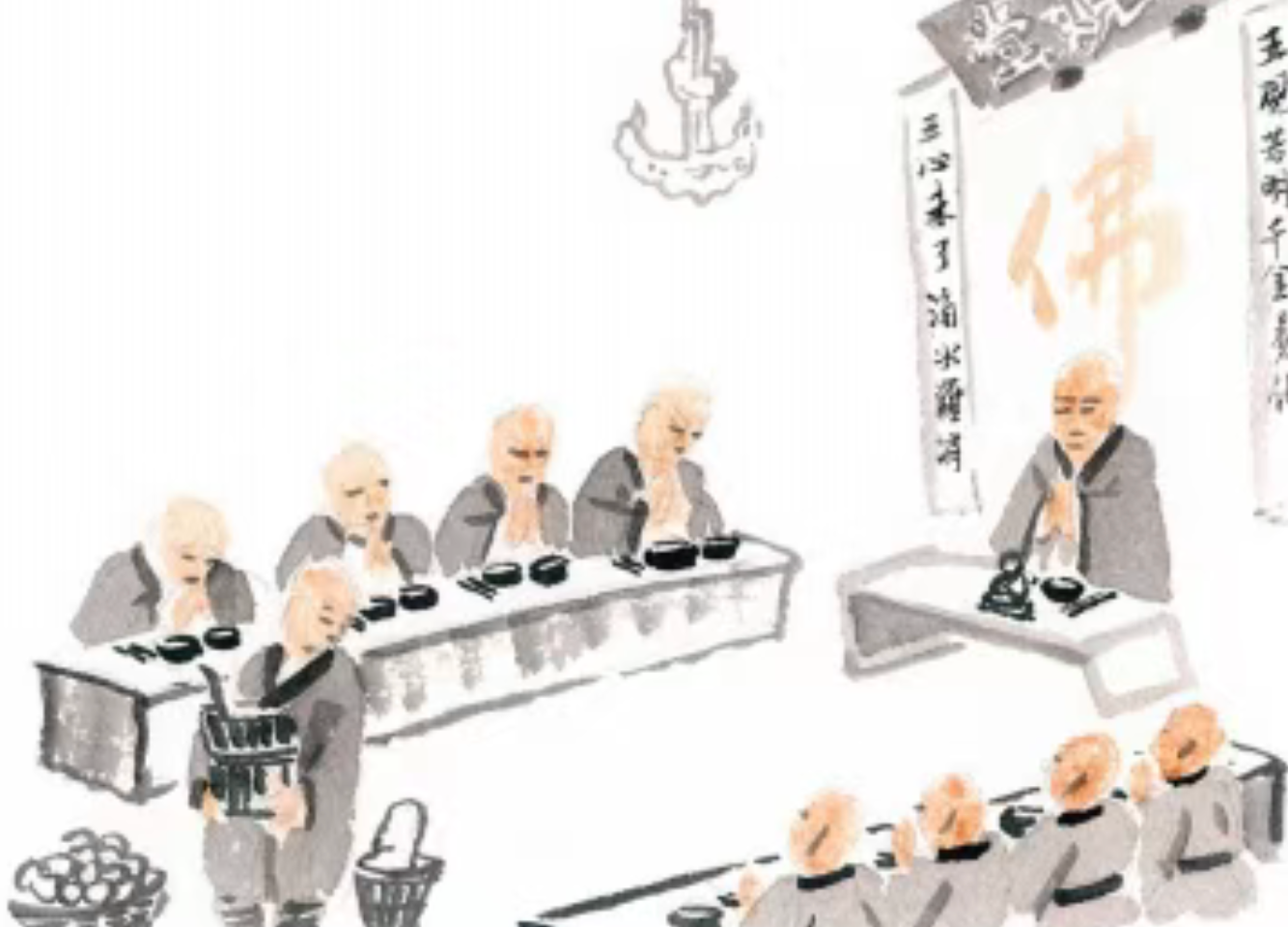
- Monastic Rules: For over a millennium, Shaolin Temple’s monastic code barred women from ordination or martial training within its walls, citing:
- Vinaya Texts: Early Buddhist precepts segregated genders to “avoid distraction.”
- Cultural Norms: Confucian ideals of “male warriors, female weavers” permeated imperial China.
- Exceptions in Lore:
- Legends speak of Yongtai Princess (Tang Dynasty), who allegedly trained covertly—though historians debate this.
2. Folk Traditions
- Outside the temple, women practiced self-defense forms like “Nüzi Quan” (Women’s Fist), but these were marginalized as “lesser” arts.
Modern Transformation: Breaking Barriers
1. Institutional Reforms
- 1980s–1990s:
- The Chinese government’s sports modernization policies encouraged female participation in martial arts.
- Shaolin Temple’s External Relations Department began admitting women for cultural performances.
- 2000s:
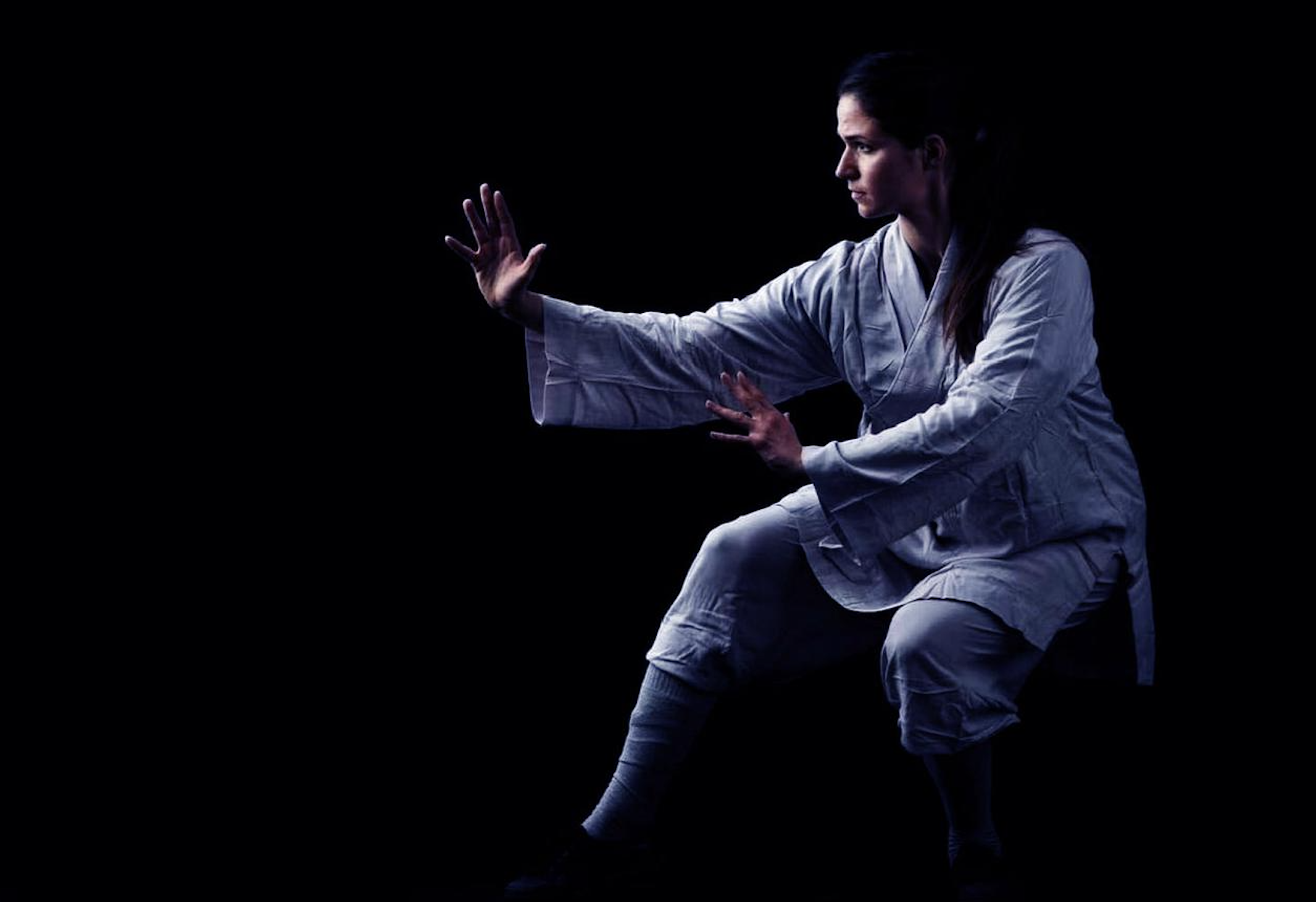
- Establishment of the Shaolin Women’s Martial Arts Team (2003), specializing in:
- Graceful weapon forms (e.g., twin hooks, fan).
- Adapted Luohan Quan with fluid, acrobatic movements.
- Establishment of the Shaolin Women’s Martial Arts Team (2003), specializing in:
2. Global Pioneers
- Shifu Shi Yan Ming (USA): His Shaolin Temple USA academy trains female disciples equally, citing “Chan sees no gender, only mind.”
- Master Shi Heng Yi (Germany): Hosts women-only retreats at Shaolin Europe Association, blending Kung Fu with feminist empowerment workshops.
Comparative Perspectives: Women in Martial Arts
| Tradition | Female Role | Key Figures |
|---|---|---|
| Shaolin | Post-2000s inclusion; performance focus | Shi Yan Ran (elite team captain) |
| Wudang | Taoist egalitarianism; internal arts | Zhang Sanfeng myths include female disciples |
| Emei | Historically female-centric; soft styles | Guo Jianhua (modern Emei master) |
| Japanese Budō | Post-WWII integration; Olympic judo | Ronda Rousey (MMA crossover) |
Notable Contrasts:
- Emei’s legacy of female founders contrasts with Shaolin’s male-dominated lineage.
- Capoeira and Taekwondo report higher female participation (40%+) versus Shaolin’s ~25%.
Cultural Shifts and Ongoing Challenges
1. Stereotypes and Resistance
- ”Too Yin for Kung Fu”: Some traditionalists argue women lack “Yang energy” for hard styles.
- Media Portrayals: Films like Crouching Tiger, Hidden Dragon romanticize women’s Kung Fu as “exotic exception.”
2. Progressive Movements
- #MeToo in Martial Arts: Female trainees demand anti-harassment policies in global Shaolin Cultural Centers.
- Academic Advocacy: Stanford’s 2023 study “Iron Flowers” documents female Shaolin pioneers.
The Future: Qi Knows No Gender
- Mixed-Gender Monk Performances: Since 2022, World Shaolin Games allow women in group demonstrations.
- Medical Research: Studies show female practitioners excel in flexibility-based skills (e.g., Qing Gong).
As the Vimalakirti Sutra teaches:
“In Dharma, there is no male or female—
Only awakening, and those who seek it.”
Conclusion:
The journey from forbidden courtyards to international stages mirrors humanity’s own struggle toward balance. Today, a woman’s fist carving the air at dawn in Dengfeng is both revolution and return—to Shaolin’s oldest truth: “The mind is the only mountain to climb.”
Amitabha.